
Simple Errors That Can Ruin Your Cabinet Finish
The most common mistakes during cabinet painting projects are poor surface prep, skipping primer, using the wrong paint, and rushing dry times. These errors lead to peeling, brush marks, sticky doors, and uneven color. The good news is that most of these problems are preventable with the right steps and a little patience.
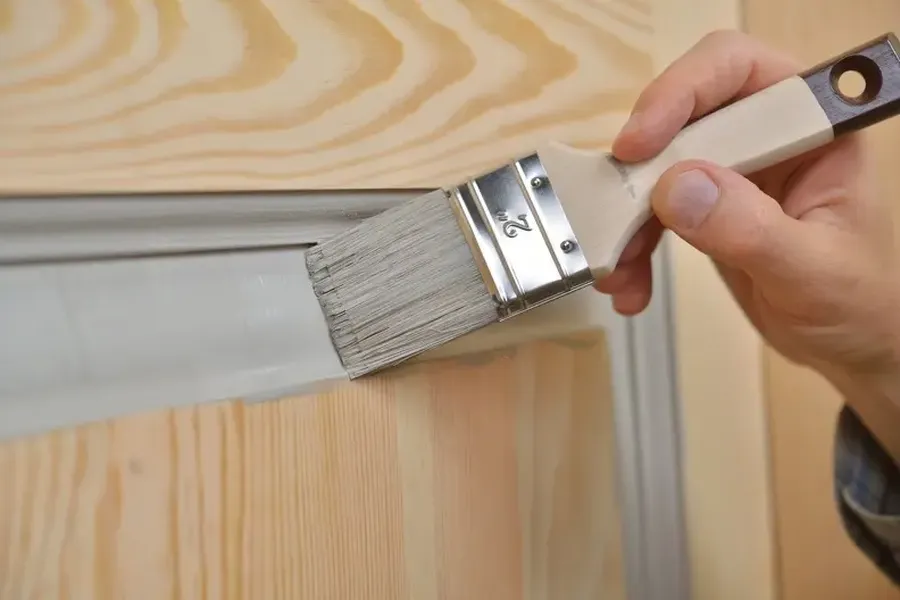
Why Prevention Matters
Cabinets get touched every day. Hands, grease, and moisture all wear down the surface. If paint does not bond well from the start, it will not last long. Fixing failed cabinet painting often costs more than doing it right the first time.
A smooth, durable finish depends on prep work, good products, and careful timing. When corners are cut, the results show fast. Chips around knobs and peeling near sinks are common signs of rushed work.
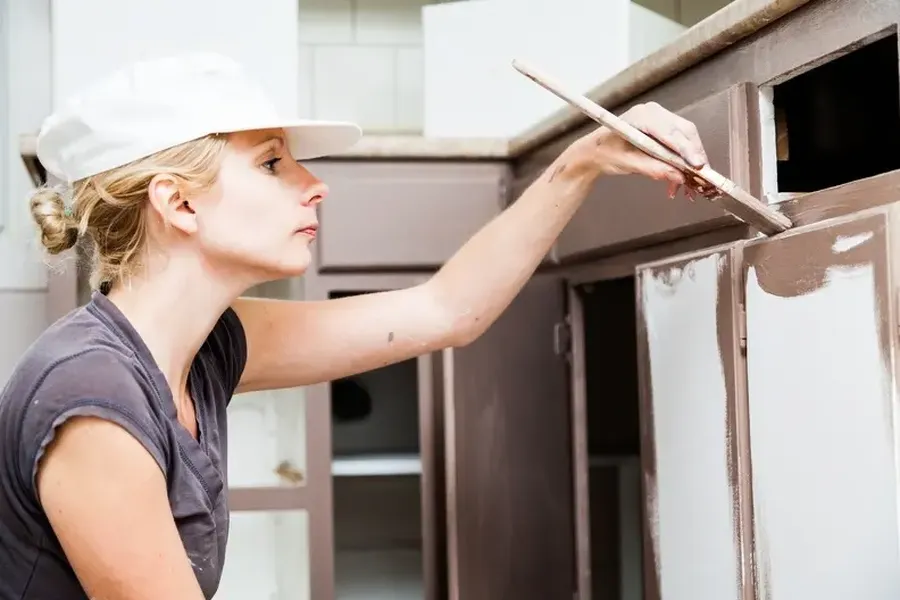
Early Warning Signs
If you are in the middle of a project, watch for these red flags:
- Paint looks streaky or thin after drying
- Doors feel sticky days later
- Brush strokes are easy to see
- Paint scratches off with light pressure
- Bubbles or small cracks appear on the surface
These signs often point to poor cleaning, wrong paint type, or not enough dry time between coats.
Seasonal or Routine Checklist
Before starting cabinet painting, run through a simple checklist. This helps prevent most problems.
- Remove all doors, drawers, and hardware.
- Clean every surface with a strong degreaser.
- Rinse and let the wood dry fully.
- Sand lightly to dull the old finish.
- Wipe away dust with a damp cloth.
- Apply a bonding primer made for cabinets.
- Use a high-quality paint designed for trim or cabinetry.
- Allow full dry time between coats.
- Let cabinets cure fully before rehanging doors.
Humidity and temperature also matter. Paint dries best in mild conditions. Very damp or cold air can slow curing and affect the final look.
Best Practices for Long-Term Results
Choose the right tools. Foam rollers and high-quality brushes create a smoother finish than cheap tools. Some homeowners prefer spraying for an even coat, but this takes skill and proper setup.
Thin coats are better than thick ones. Thick paint traps moisture and leads to drips. Two or three light coats create a stronger surface.
Label your doors and hinges when removing them. This saves time during reinstall and prevents alignment issues.
Do not rush reassembly. Even if paint feels dry to the touch, it may still be soft underneath. Many cabinet painting failures happen because doors were rehung too soon.
What Not to Do
Avoid these common mistakes:
- Painting over grease or dirt
- Skipping sanding because cabinets ‘look fine’
- Using wall paint instead of cabinet-grade paint
- Forgetting primer on glossy surfaces
- Piling on heavy coats to save time
- Ignoring manufacturer dry times
Another mistake is not testing color first. Lighting changes how paint looks. Always sample a small area before committing to the entire kitchen.
Many people also underestimate the time required. Cabinet painting is detailed work. Handles, corners, and edges all need care. Rushing leads to uneven coverage and visible marks.
When to Schedule Professional Help
Some situations call for expert attention. If cabinets have deep stains, water damage, or peeling laminate, more advanced prep may be needed. Sprayer finishes also require skill and space to avoid dust and overspray.
If your kitchen is large or you cannot have it out of service for long, hiring a team can save stress. Professionals follow a proven process, use commercial-grade products, and control the work environment for better results.
Get Reliable Results for Your Cabinets
If you want durable, smooth cabinet painting results in Jacksonville, AL, it helps to work with an experienced team. At Nunn Better Painting, we focus on detailed prep, quality materials, and clean finishes that hold up to daily use. Call us at (256) 600-3133 to talk about your project and see how we can help refresh your space with confidence.