
Which Finish Is Right for Your Wood Deck?
Transparent stains let the natural wood grain show through, while solid stains give your deck a rich, painted look that hides most of the grain. The right choice depends on your deck’s age, condition, and the style you want. Both options protect the wood, but they do it in different ways. If you are planning a deck staining project, knowing these differences can save you time and money.
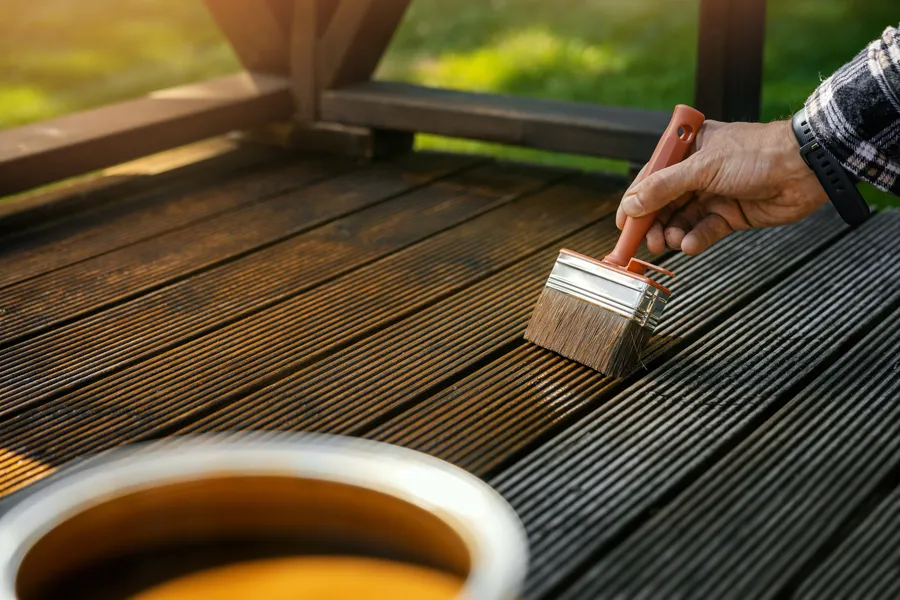
Quick Decision Answer
If your deck is new or in great shape, a transparent stain is often the better choice. It shows off the wood’s beauty and gives a natural finish. If your deck is older, worn, or has uneven color, a solid stain may be the smarter option. It covers flaws and gives a clean, even look. Both types work well when applied the right way.
Option A Vs Option B Criteria
Transparent and solid stains differ in a few key areas. Here is how they compare:
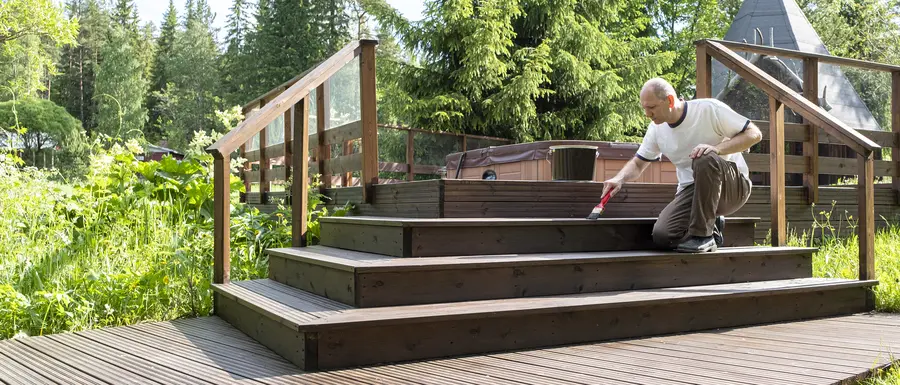
- Appearance: Transparent stains show wood grain. Solid stains hide most grain and look like flat paint.
- Wood Condition: Transparent works best on smooth, healthy boards. Solid works better on cracked or stained boards.
- Maintenance: Transparent stains may need reapplication more often. Solid stains often last longer before fading.
- Surface Prep: Transparent stain needs very clean, even wood. Solid stain is more forgiving.
Both options are part of professional Deck Staining services and can protect against water, sun, and wear.
Pros and Cons of Each
Transparent Stain Pros:
- Shows natural wood grain
- Enhances real wood color
- Penetrates deeply into wood fibers
Transparent Stain Cons:
- Does not hide blemishes
- May fade faster in full sun
- Needs careful prep work
Solid Stain Pros:
- Covers imperfections
- Offers strong UV protection
- Creates bold, even color
Solid Stain Cons:
- Hides natural grain
- Can peel if not applied correctly
- Feels more like paint in appearance
Choosing between them often comes down to looks and the condition of your deck boards.
Best Fit by Scenario
A new cedar or pressure-treated deck usually looks best with a transparent finish. It highlights the fresh wood and gives a warm feel. Many homeowners choose this option right after installation.
An older deck with sun damage, gray boards, or patched repairs may look uneven with a clear stain. In that case, a solid stain can create a uniform look. It helps hide past wear and gives the deck a fresh start.
If you want a bold color like gray, deep brown, or red, solid stain offers more pigment. If you want a natural, cabin-style look, transparent stain fits better.
Mistakes People Make When Choosing
One common mistake is picking a transparent stain for damaged wood. The result often looks blotchy or uneven. Every flaw shows through.
Another mistake is skipping proper prep. Even the best Deck Staining product will fail if the wood is dirty or damp. Power washing, sanding rough areas, and letting the deck dry are key steps.
Some homeowners switch from solid stain back to transparent later. This can be hard. Solid stain must be stripped completely before applying a clear finish.
Final Decision Checklist
Before you choose, ask yourself these questions:
- Is my deck wood new or weathered?
- Do I want to see the natural grain?
- Are there stains, cracks, or repairs showing?
- How much maintenance am I willing to do?
- Do I want a bold color or a natural tone?
If the wood is smooth and you love its natural look, go transparent. If you want strong coverage and a uniform finish, go solid. Both can protect your investment when applied correctly and maintained over time.
Get Expert Help With Your Deck Project
If you are unsure which stain is right for your property in Jacksonville, AL, we can help you review your options and choose a finish that matches your goals. Our team at Nunn Better Painting handles deck staining projects with careful prep and professional products designed to last. Call us at (256) 600-3133 and we will help you plan the next step for a deck you can enjoy for years.